In this guide
Entitled for Work Only (after five years) and Standard (the default on arrival, renamed from Registered in September 2026) can rent only Registered property and cannot buy. Wealthy applicants can be granted Entitled status through the high value residency route.
At a glance
- £60,000Salary floor for most Licensed roles
- 5 yearsTo Entitled for Work Only
- 10 yearsTo full Entitled status
- £88.15For your registration card
This is the part that confuses almost everyone. Jersey controls who can live and work here through the Control of Housing and Work (Jersey) Law 2012, usually shortened to CHW. It does not stop you moving. It decides which homes you can occupy and which jobs you can do. Get your head around it before you look at a single property listing, because the status on your registration card is the first thing any landlord or lawyer will ask for.
One note before the detail. The law was amended and the changes came into force on 14 September 2026. The main visible change is that "Registered" status is now called "Standard". It is the same status, just renamed, so you will still see "Registered" used on older pages and by some agents.
The two types of property
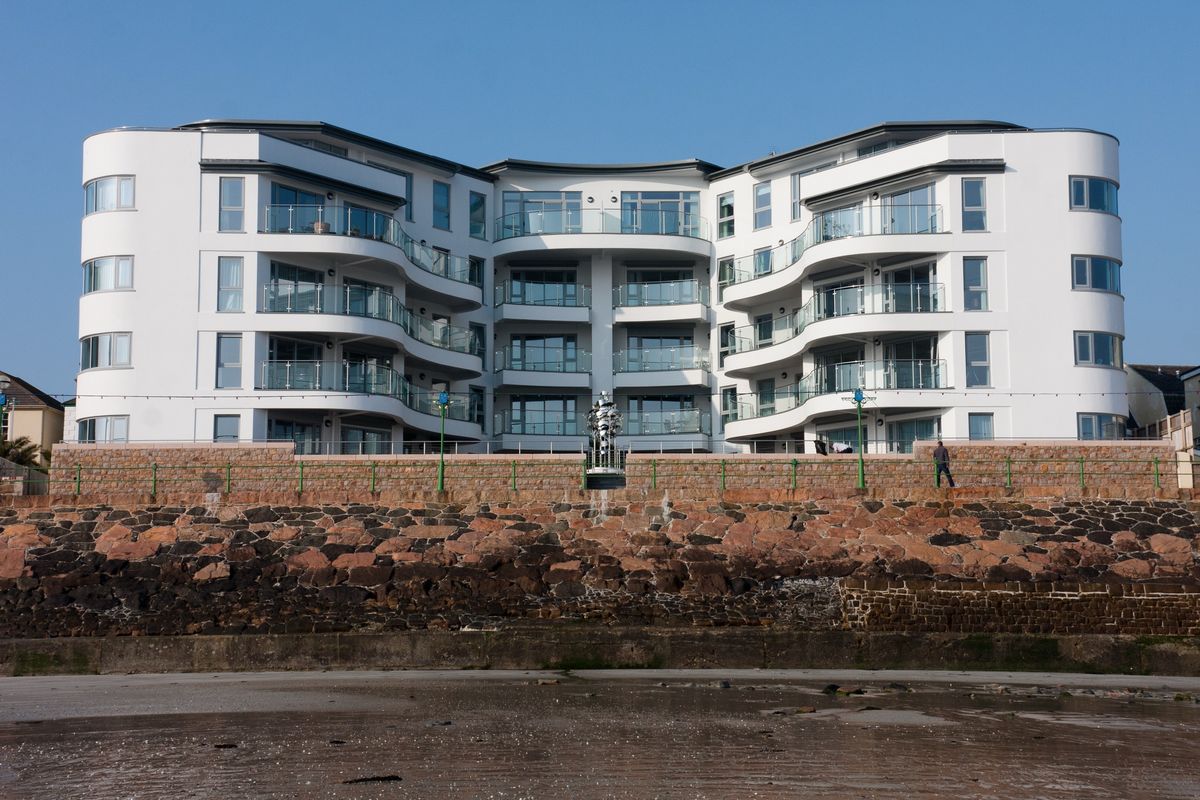
Every home in Jersey is classed as either Qualified or Registered.
- Qualified property is the bulk of the market. To occupy it you need Permanent Entitled, Entitled, Licensed or Licensed for Lease Only status.
- Registered property (sometimes called unqualified) can be occupied by anyone with a valid registration card, whatever their status. There is less of it, demand is high, and rents are generally higher for what you get.
Landlords are required to check your card and photo ID before you move in. There is no way round this.
Check your likely status
Worked out from the quick reference table below
Answer any of the questions to see your likely status.
Your likely status
Entitled
10 years' continuous residence
- Rent Qualified
- Yes
- Rent Registered
- Yes
- Buy
- Yes, anything
- Work
- Any job, business licence possible
Entitled is the full status: any property, any job.
Your likely status
Licensed
Employer holds a licence for your role
- Rent Qualified
- Yes, one home, must live in it
- Rent Registered
- Yes
- Buy
- Yes, one home, not FTB-restricted
- Work
- Only the licensed role
You move to Entitled after ten years. The permission is tied to your role, so a new job needs a new licence.
Your likely status
Licensed for Lease Only
Employer holds a lease-only licence
- Rent Qualified
- Yes, lease under 9 years
- Rent Registered
- Yes
- Buy
- Generally no
- Work
- Only the licensed role
You can rent Qualified property on a lease under nine years, but not buy unless your partner has qualifying status.
Your likely status
Entitled for Work Only
5 years' residence or eligible partner
- Rent Qualified
- No
- Rent Registered
- Yes, one property
- Buy
- Limited, via partner
- Work
- Any job, business licence possible
You become Entitled after ten years of continuous residence.
Your likely status
Standard
Default on arrival
- Rent Qualified
- No
- Rent Registered
- Yes, one property
- Buy
- No
- Work
- Standard-permitted roles only
You move to Entitled for Work Only at five years and Entitled at ten.
- Ask the employer in writing which status your permission gives you before you sign a contract or a lease.
- Buying is only possible in limited cases, where your partner is Entitled or Licensed.
- Buying may be possible if your partner has qualifying status.
- Residence has to be continuous. A long break resets the clock.
- Confirm your status with the Population Office before you sign anything: +44 (0)1534 444444 or customerservice@gov.je.
How your likely status is worked out
- Ten years' continuous residence: Entitled.
- An employer licence for your role: Licensed.
- A lease-only licence from your employer: Licensed for Lease Only.
- Five years' residence, or a partner who is Entitled or Licensed: Entitled for Work Only.
- None of these: Standard, the default on arrival.
Work down the list: the first line that fits is your likely status. Confirm it with the Population Office on +44 (0)1534 444444.
The statuses
Ringed: your likely status, from your answers above.
Source: gov.je, residential status; Control of Housing and Work (Jersey) Law 2012 as amended.
Show as a table
| Route | On arrival | After 5 years | After 10 years |
|---|---|---|---|
| Without a sponsor | Standard | Entitled for Work Only | Entitled |
| With an employer licence | Licensed | Licensed | Entitled |
Entitled
You become Entitled after ten years of continuous ordinary residence in Jersey. You can buy, sell and rent any property, and work in any job. A business licence can also be granted. This is the full set of rights and the status most long-term movers are working towards.
There is also a higher tier called Permanent Entitled, which mainly applies to people born here or who arrived as children, or after 25 years' residence. For practical purposes it gives the same housing and work rights.
Licensed
This is how most professional movers arrive. Your employer applies for a licence to fill a specific role with someone who does not yet have Entitled status, typically because the skills are hard to find locally. The permission is attached to you and that role.
With Licensed status you can rent or buy most types of property, including Qualified property, from day one. There are limits: you can hold only one property, you must live in it as your main home, you cannot buy first-time-buyer restricted housing and you cannot rent social housing. You may only work in the licensed role, so changing jobs means the new employer needs their own licence for you. Licensed status also brings free hospital care from your first day, where most working newcomers wait six months; our healthcare guide has the rules.
A related status, Licensed for Lease Only, lets you rent Qualified property on a lease under nine years but not buy, unless your partner has qualifying status.
Entitled for Work Only
After five years of continuous residence you become Entitled for Work Only. You can take any job and may be granted a business licence, which is a big step up from Standard. Housing is still restricted: you can rent one Registered property, and buying is only possible in limited cases where your partner is Entitled or Licensed. You can also get this status earlier through an eligible partner who holds Entitled or Licensed status.
Standard (previously Registered)
If you move to Jersey with none of the above, you are Standard. You can rent one Registered property and work only in jobs the employer is licensed to fill with Standard staff. You cannot buy. This is where a lot of people start, and it is why the Registered rental market is so competitive. You move to Entitled for Work Only at five years and Entitled at ten.
Quick reference
| Status | How you get it | Rent Qualified | Rent Registered | Buy | Work |
|---|---|---|---|---|---|
| Entitled | 10 years' continuous residence | Yes | Yes | Yes, anything | Any job, business licence possible |
| Licensed | Employer holds a licence for your role | Yes, one home, must live in it | Yes | Yes, one home, not FTB-restricted | Only the licensed role |
| Licensed for Lease Only | Employer holds a lease-only licence | Yes, lease under 9 years | Yes | Generally no | Only the licensed role |
| Entitled for Work Only | 5 years' residence or eligible partner | No | Yes, one property | Limited, via partner | Any job, business licence possible |
| Standard | Default on arrival | No | Yes, one property | No | Standard-permitted roles only |
Residence has to be continuous. A long break resets the clock, so if you are counting towards ten years, be careful about extended periods away.†
The high value residency route (formerly 2(1)(e))
For years this was known by its regulation number, 2(1)(e). Since the September 2026 amendments it sits under a new regulation and the decision is made by the new Housing and Work Control Panel, which replaced the Housing and Work Advisory Group. The outcome is the same: Entitled status granted to someone not yet resident, on the basis of the economic or social benefit they bring and the "best interests of the community". The law itself sets no financial thresholds. The figures below are the conditions Locate Jersey published under the old route and the policy indicators released with the reforms (taxable income above £1.25 million for at least ten years, or philanthropy of around £100,000 a year). Confirm with Locate Jersey which of these still apply†. The bar is high either way:
- A minimum annual income tax contribution of £250,000, structured as 20 per cent on the first £1.25 million of worldwide income and 1 per cent above that. If your income falls short you are deemed to have enough to pay the £250,000 anyway. This "top-up" figure is revalued every five years, next in January 2028.
- Jersey property income is taxed at the full 20 per cent, outside the 1 per cent band.
- Expected net worth of at least £10 million, excluding your main home.
- Purchase of a home worth over £3.5 million for a house or over £1.75 million for an apartment, with renting generally limited to the first year after arrival.
- A one-off residency card charge of around £8,456†.
- A stated expectation of charitable giving of around £100,000 a year†.
The Government's official aim is 15 approvals a year, though 37 were approved in 2025. Anyone granted the status before 14 July 2023 stays on the older rules (minimum contribution £170,000) unless they elect to move. If this route is relevant to you, speak to Locate Jersey directly and get Jersey tax advice before you commit.
How employers sponsor a Licensed permission
If you are being recruited, your employer does the work, but it helps to understand it.
- The employer needs a resident business licence under the CHW Law. Since September 2026 the permission to employ non-Entitled staff is a separate "staffing licence", though it still sits in the same document.
- The employer applies to the Population Office (part of Customer and Local Services on Union Street, St Helier) for a Licensed permission for your role, making the case that it cannot be filled locally. Finance, law, medicine, dentistry, senior digital roles and senior public sector posts are common.
- Once granted, you register as a Jersey resident online, upload your passport and the licence paperwork, pay £88.15 for your registration card and receive your social security number at the same time.
- Your card shows "Licensed". You show it to your landlord or your conveyancing lawyer and to your employer.
Processing times vary. Build in several weeks between the employer applying and you having a card in hand†. Decisions can be reviewed by the new Housing and Work Control Panel within one month.
If you are coming to set up your own business rather than take a job, you apply for a business licence yourself, and whether you get Licensed status for yourself as a director is decided case by case.
Practical tips
- Ask the employer in writing which status your permission gives you before you sign a contract or a lease.
- If you are on Standard status, start the Registered property search early and be ready to move quickly.
- Licensed status is lost if you leave the role, which affects your home if you are renting Qualified property. Factor this into any job move.
- Keep evidence of your arrival date and continuous residence, such as leases and bank statements. You will need them when you apply for Entitled for Work Only at five years and Entitled at ten.
- If you are weighing up Guernsey as well, it works differently: anyone with the right to live in the UK can buy or rent its Open Market homes, about 7 per cent of the stock, with no residence qualification. Our Jersey vs Guernsey comparison sets the two side by side.
- The Population Office number is +44 (0)1534 444444 and email customerservice@gov.je.
Frequently asked questions
What is the difference between Licensed and Entitled status in Jersey?
Entitled is the full status: any property, any job. Licensed is tied to a specific job with an employer who holds a licence for the role; it lets you rent or buy one home as your main residence while you stay in that role, and you move to Entitled after ten years.
Can I rent in Jersey with Standard (Registered) status?
Yes, but only Registered property, which is a smaller and more expensive pool concentrated in St Helier and nearby parishes. Lodging houses and some flats are Registered. You cannot rent Qualified property or buy.
What salary do you need for Licensed status in Jersey?
Guidance published in November 2025 set £60,000 for Licensed status (rent or buy) and £54,000 for Licensed for Lease Only (rent only), alongside a list of shortage roles such as nurses that qualify regardless of salary.
† Figure still being checked against its source before launch.
More guides




Photography in More guides
- La Corbière lighthouse at low tide, St Brelade. Photograph: Daniel Kraft, CC BY-SA 3.0, via Wikimedia Commons
- Inside the Central Market, St Helier. Photograph: Pymouss, CC BY-SA 4.0, via Wikimedia Commons
- Royal Square, St Helier. Photograph: Danrok, CC BY-SA 3.0, via Wikimedia Commons
- Elizabeth Castle and its causeway at low tide, St Helier. Photograph: Rachel D, CC BY 2.0, via Wikimedia Commons
Sources
- https://www.gov.je/Working/Contributions/RegistrationCards/Pages/ResidentialStatus.aspx
- https://www.gov.je/Working/Contributions/RegistrationCards/pages/landlords.aspx
- https://gov.je/Working/Contributions/RegistrationCards/Pages/GetRegistrationCard.aspx
- https://gov.je/LifeEvents/MovingToJersey/WhenYouArrive/Pages/RegisterJerseyResident.aspx
- https://www.jerseylaw.je/laws/current/l_31_2012
- https://www.walkersglobal.com/en/Insights/2026/09/Jerseys-Control-of-Housing-and-Work-law-what-employers-need-to-know
- https://www.gov.je/TaxesMoney/IncomeTax/Technical/Guidelines/Pages/TaxInformationHighValueResidents.aspx
- https://www.locatejersey.com/wp-content/uploads/2024/02/Supplementary-Sheet-for-Conditions-for-21E-Residents-from-14-July-2023.pdf
- https://statesassembly.je/publications/questions/2025-written-questions/2026-written-questions/wq-1-30/wq-4-2026
- https://www.gov.je/Working/WorkPermits/Pages/WorkPermitPolicy.aspx